
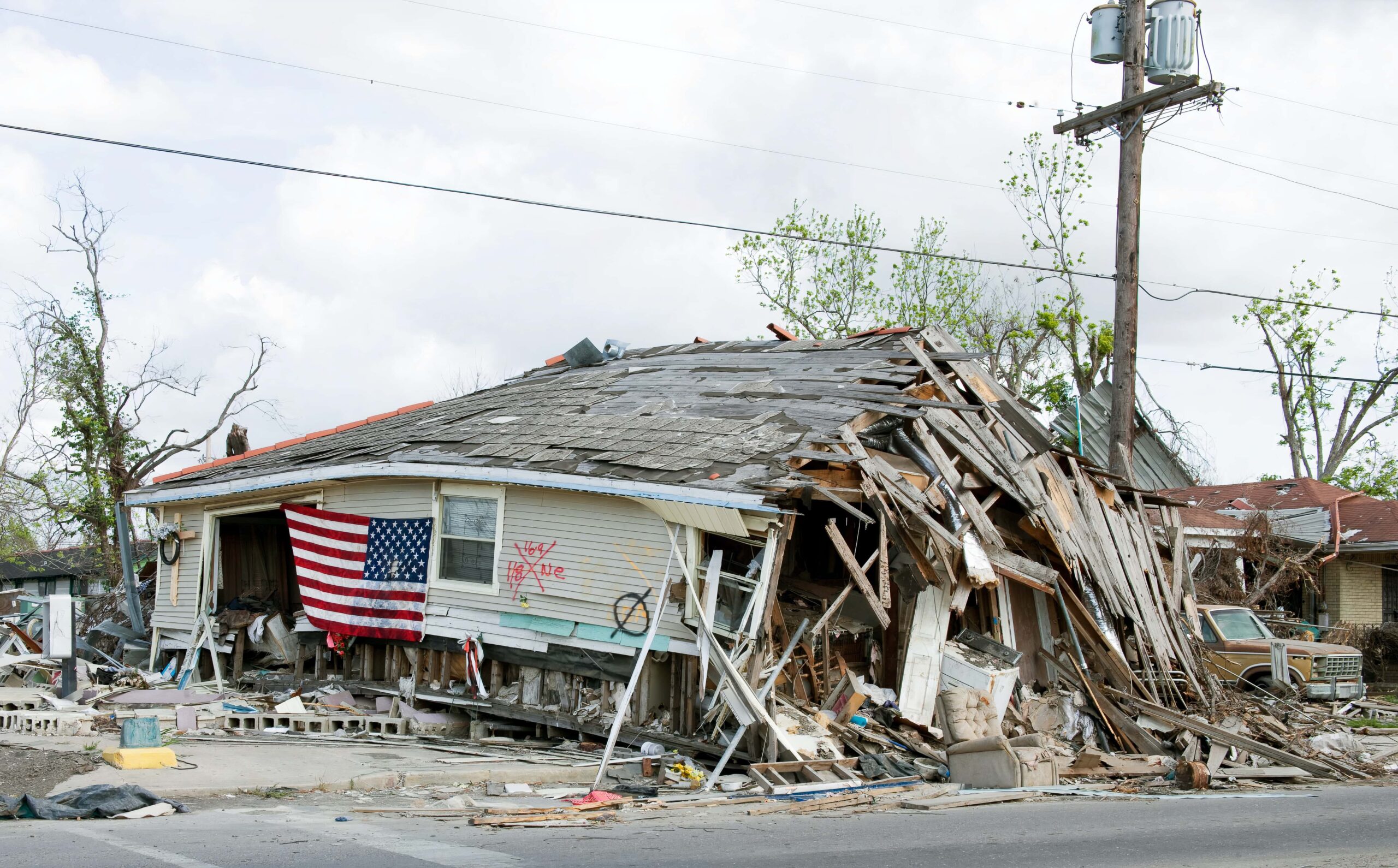
In August 2005, Hurricane Katrina struck the Gulf Coast, leaving an incredible mark on New Orleans and its surrounding areas. The Category 5 storm caused catastrophic flooding, widespread devastation, and loss of life, making it one of the most destructive natural disasters in U.S. history. Nearly two decades later, the effects of Hurricane Katrina are still felt in the city. Yet, New Orleans stands as a testament to human resilience, having rebuilt and transformed in the years since. This blog explores the lasting impact of Hurricane Katrina on New Orleans and how the city has recovered.
The Immediate Impact of Hurricane Katrina
On August 29, 2005, Hurricane Katrina made landfall just east of New Orleans. While the storm itself caused significant damage, it was the failure of the city’s levee system that led to catastrophic flooding. Over 80% of New Orleans was submerged, with some areas under as much as 15 feet of water. The city’s low-lying neighborhoods, particularly the Lower Ninth Ward, were hardest hit. Thousands of residents were stranded in their homes, and nearly 1,800 lives were lost due to the storm and its aftermath.
The Toll on New Orleans Communities
Hurricane Katrina had a devastating effect on the people of New Orleans. Tens of thousands of residents were displaced, and many lost their homes and livelihoods. The disaster disproportionately affected marginalized communities, particularly those in low-income neighborhoods. The Lower Ninth Ward, known for its strong sense of community, was nearly wiped out, and recovery has been slow for many families in the area. The mental and emotional toll on residents was immense as they grappled with loss, uncertainty, and the long road to recovery.
Economic and Infrastructure Damage
The economic impact of Hurricane Katrina on New Orleans was profound. The city’s tourism industry, a major economic driver, came to a halt. Businesses, schools, and hospitals were destroyed or closed indefinitely, and the local economy suffered severe setbacks. The storm caused an estimated $125 billion in damage, affecting everything from homes and businesses to critical infrastructure like roads, power grids, and water systems. Rebuilding these essential services took years and billions of dollars in federal aid, private investment, and community effort.
Environmental Consequences
Hurricane Katrina not only changed the city but also altered the landscape around New Orleans. The storm caused significant damage to Louisiana’s fragile coastal wetlands, which play a critical role in protecting the region from storm surges. These wetlands were already under threat due to erosion and human activity, but Katrina accelerated their loss. In the years since, the state has undertaken several coastal restoration projects to rebuild and protect these vital ecosystems, though the challenge remains daunting.
The Road to Recovery and Rebuilding
Despite the overwhelming devastation, New Orleans has shown remarkable resilience in its recovery. The city’s residents banded together, and with help from state and federal governments, nonprofits, and private organizations, the rebuilding process began. Homes were rebuilt, levees were fortified, and new infrastructure was developed to protect the city from future storms. The completion of the $14.5 billion Greater New Orleans Hurricane and Storm Damage Risk Reduction System in 2011 gave the city a stronger line of defense against flooding.
In addition to physical rebuilding, New Orleans has made strides in economic recovery. The tourism industry, nearly wiped out in the aftermath of the storm, has bounced back stronger than ever. Cultural events like Mardi Gras, Jazz Fest, and other festivals now draw millions of visitors each year, contributing to the city’s economic resurgence. The city’s culinary, music, and arts scenes have not only recovered but have also become central to its revitalization.
How New Orleans Has Transformed
In many ways, New Orleans has not only rebuilt but has transformed in the years since Hurricane Katrina. The tragedy spurred innovations in education, healthcare, and housing. For example, the city has embraced a charter school system, which has dramatically changed public education in the city. The healthcare system has also seen improvements, with the development of the University Medical Center New Orleans, replacing the damaged Charity Hospital.
Neighborhoods across the city have been revitalized, with new homes, businesses, and community spaces emerging in areas once devastated by the storm. While the Lower Ninth Ward and some other neighborhoods continue to face challenges, many parts of the city have seen significant growth and redevelopment.
Remembering the Lessons of Katrina
Hurricane Katrina changed New Orleans forever, but it also taught valuable lessons about resilience, preparation, and community. The city’s response to subsequent storms, such as Hurricane Ida in 2021, demonstrated improved preparedness, infrastructure resilience, and a more coordinated evacuation process. New Orleans’ efforts to address its vulnerabilities, particularly regarding levee protection and flood management, have helped the city become more resilient in the face of future hurricanes.
Conclusion: A City of Resilience
Hurricane Katrina left a considerable mark on New Orleans but did not define the city. The story of New Orleans in the years since Katrina is one of strength, unity, and hope. Through the tireless efforts of its residents, leaders, and supporters from around the world, the city has come back stronger, and it continues to evolve. Today, New Orleans stands as a reminder of the power of resilience, showing that even in the face of overwhelming tragedy, there is always the possibility for renewal and growth.
Photo from Unsplash