Late January in the Louisiana marsh brings a unique combination of conditions that makes it one of the most rewarding times to fish. A blanket of fog often hangs low over the water in the early morning, and with water temperatures hovering around the low to mid-50s, the fishing requires skill and local knowledge. But for anglers who understand what's happening beneath the surface, this transitional period offers exceptional opportunities.
The question that comes up constantly this season: "Is late January actually good fishing, or are we just hoping for the best?"
The answer is that its a little bit of both. The fish are there, but their behavior and location are changing. That transition tells experienced guides everything about what February and early spring are going to bring, and knowing how to read these signs is what separates a good day from a great one. That's why its so important to have a expert like Captain Joe Ezell guiding your lure.
Understanding the Late January Pattern
Here's what's happening beneath the surface right now. Louisiana is at the tail end of winter, which means redfish have been holding in deeper water and protected bayous for the past couple months. But something changes as the calendar pushes toward February.
 Water temperatures start their slow climb. Not dramatic, maybe just a degree or two, but fish notice these subtle shifts before most anglers do. The clear water that comes with winter creates ideal conditions for sight fishing, and experienced guides like Captain Joe Ezell know exactly where to find fish during these transitional periods.
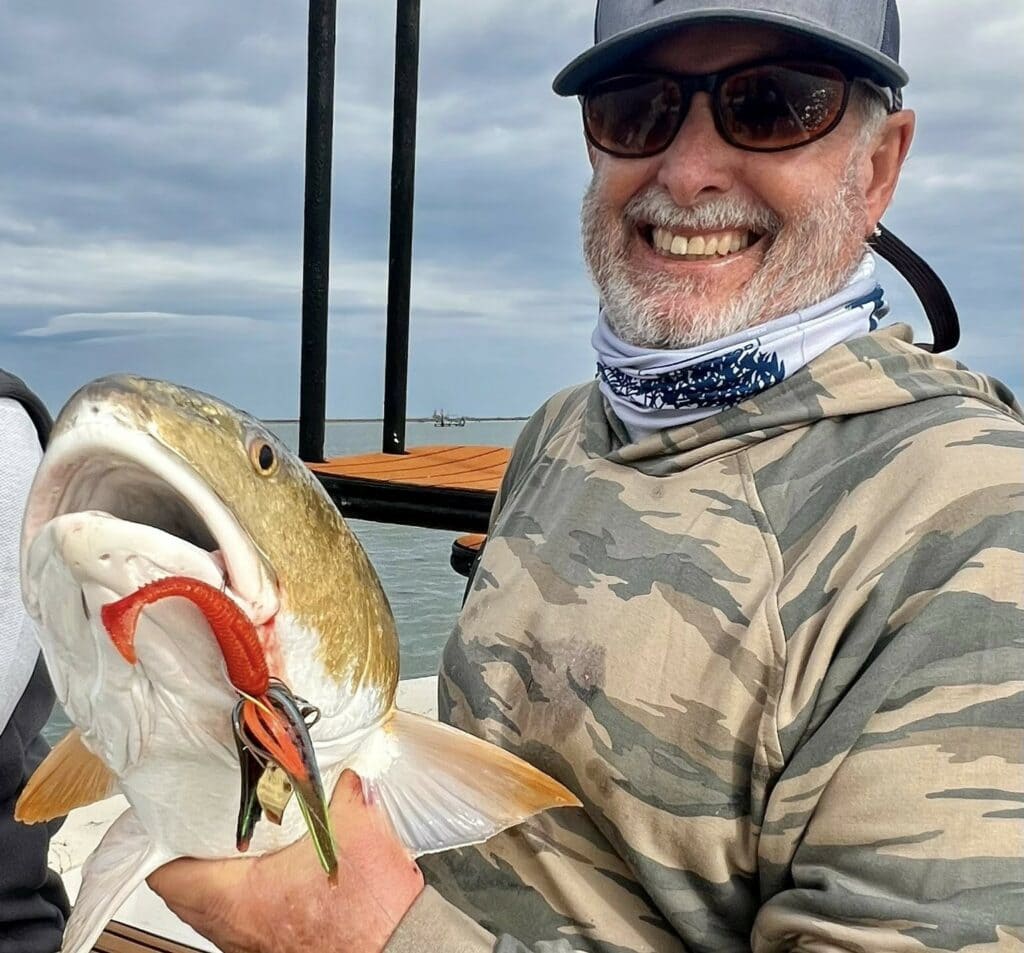
January commonly offers very low tides and beautifully clean water, with big bull redfish, black drum, and even sheepshead piling into the shallows to hunt for their next meal. You might encounter them as singles, pairs, small groups, or occasionally even large schools if conditions line up just right.
When the sun burns through the morning fog and warms the shallow flats, redfish begin appearing in water so clear you can count their scales from forty feet away. They cruise the edges of mudflats, tails occasionally breaking the surface as they root for crabs and shrimp. This is late January fishing at its finest, and having a guide who knows which flats warm up first and which structure holds fish makes all the difference.
The Transition Nobody Talks About
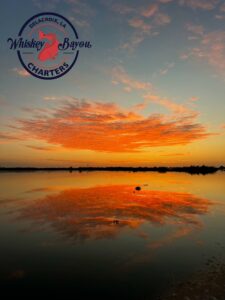 But here's the part that makes this time of year so fascinating for anyone who loves understanding fish behavior. Late January isn't just about catching fish today. It's about reading the signs of what's coming next month.
As winter loosens its grip and spring approaches, the marsh comes alive and so do the redfish, with the transition marking a shift in the whole fishing game. Water warming means redfish spread out, shake off the cold, and get more active. They move from deep holes into the shallows, chasing bait that's also waking up after winter.
This season is marked by transitions where redfish move from wintering areas back into interior marsh ponds and edges, taking advantage of increasing forage. The shift happens gradually but consistently, with fish becoming more visible, more aggressive, and easier to pattern across different water depths and structure types.
Captain Joe Ezell's expertise truly shines during these transitional periods. While conditions are constantly changing, his years of experience reading the Delacroix marsh means he knows exactly where fish will be based on overnight temperatures, wind direction, and tidal movement. A spot that's empty one day might be loaded with fish the next if you understand the patterns. That local knowledge turns challenging conditions into productive fishing days.
Why Out-of-Towners Should Pay Attention
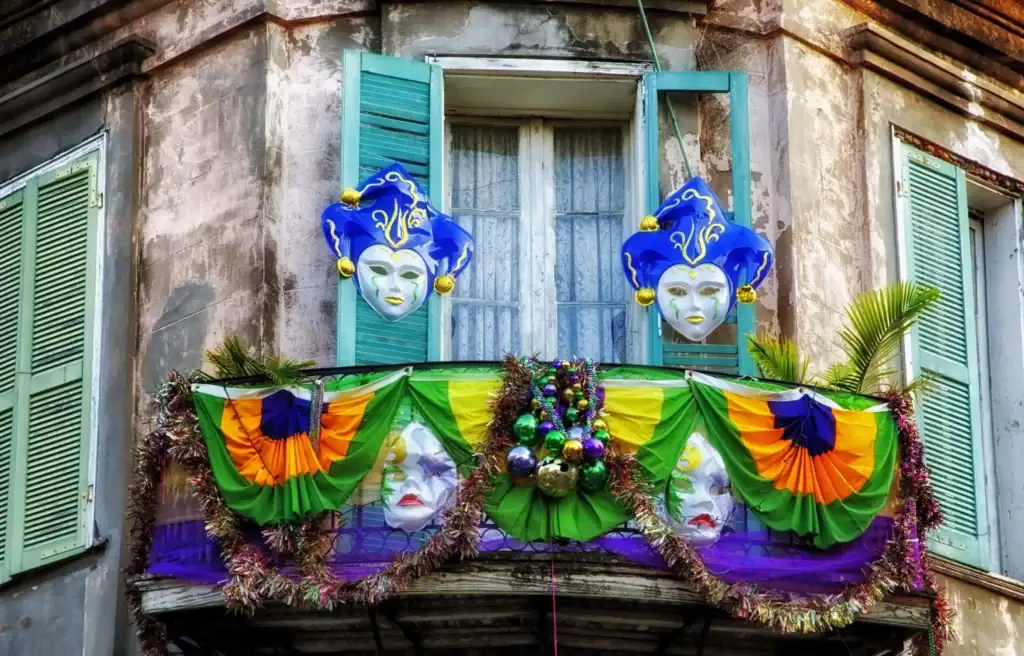
Now, if you're planning a trip to Louisiana and trying to decide when to come, here's why late January into February deserves serious consideration.
Mardi Gras season begins on January 6th and runs through Fat Tuesday, which falls on February 17th in 2026. That's right, Carnival season is already underway, building momentum through January and exploding into full celebration mode by early February.
Here's where it gets interesting. Delacroix sits just 31 miles from New Orleans, roughly a 54-minute drive. That proximity means visitors can experience two completely different sides of Louisiana in a single day. Start your morning in the peaceful marsh, surrounded by nothing but wading birds and cruising redfish, then finish your afternoon on Bourbon Street catching beads from a Mardi Gras parade. It's the kind of contrast that makes Louisiana unlike anywhere else.
Mardi Gras 2026 also coincides with Presidents' Day Weekend, creating a perfect long weekend opportunity for travelers. If you've got Monday off work anyway, why not turn it into a true Louisiana adventure?
Planning the Ultimate Louisiana Experience
Here's what a perfect Louisiana trip could look like during this special time of year.
Fly into New Orleans on a Thursday evening. Spend Thursday night in the French Quarter, get some beignets at Cafe Du Monde, walk around Jackson Square, soak in the atmosphere. The parades and festivities are already happening throughout Carnival season, with music, costumes, and traditions visible across the city.
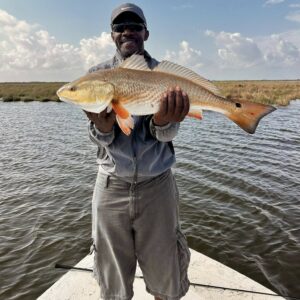
Friday morning, drive out to Delacroix before sunrise and hit the water at first light, spending the next six hours sight fishing for redfish in crystal clear winter water. The marsh is quiet except for the occasional splash of a tail or the cry of a pelican. Your guide cleans your fish, bags them up, and you're back at your hotel by early afternoon.
Friday evening, catch one of the many parades rolling through New Orleans. The most popular time to visit for Mardi Gras is the final long weekend before Fat Tuesday, particularly February 11-17 in 2026, but parades run throughout the entire season.
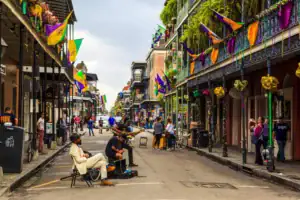
Saturday, explore the Garden District, hit up some famous restaurants, check out the live music scene on Frenchmen Street. Sunday, return to the water for another morning of fishing, targeting a different area based on how conditions have changed.
This is the authentic Louisiana experience. Not just the tourist version or just the fishing trip, but the real combination that makes this place special.
What February Brings
February can be another great month to fly fish in Louisiana, usually very similar to January in terms of weather and great fishing, with the possibility of even more large schools in the shallows if conditions are right. This month usually marks the beginning of crawfish season here in New Orleans, adding another layer to the food scene.
For anglers specifically, February is when that transition we talked about really kicks into gear. During colder months, redfish move into deeper holes and bayous, becoming somewhat less active, but slow-moving baits can still entice them. As February progresses and temperatures continue their upward trend, you start seeing more aggressive feeding behavior.
Redfish are found in shallow marshes that warm up quickly during sunny days, with early spring bringing a noticeable increase in fish activity as rising water temperatures trigger spawning behavior and better feeding patterns.
The fishing doesn't suddenly become "easy" in February, but the patterns become more predictable. The randomness of late January gives way to more consistent action as fish settle into their early spring routines.
The Local Knowledge Advantage
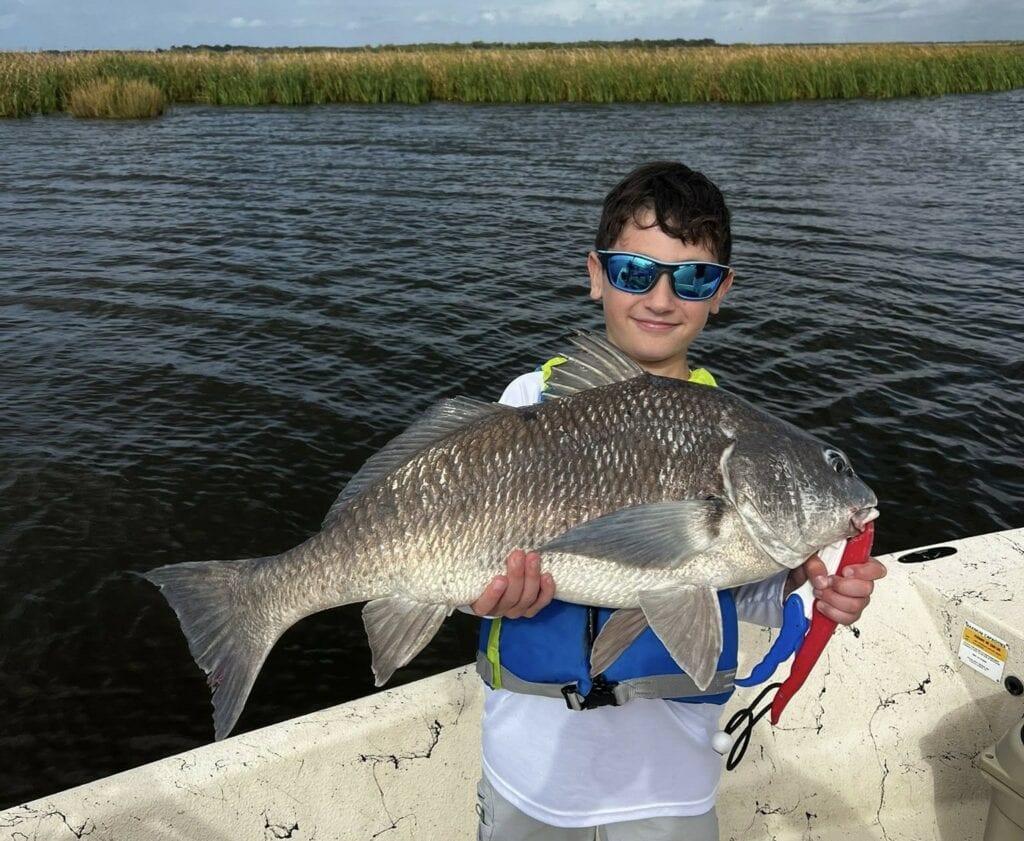
Local knowledge matters exponentially more during transitional periods like late January. In June, when the fishing is hot and redfish are everywhere, anglers can throw a cast almost anywhere and probably catch something. In late January, success depends on knowing which bayous warm up first in the morning sun, understanding how a three-degree temperature drop overnight will push fish into completely different areas, and recognizing the difference between water that looks fishable and water that actually holds fish right now.
Captain Joe Ezell has spent years mastering these patterns in the Delacroix marsh. He knows which ponds always produce after a warm spell, which grass lines hold fish when everywhere else is quiet, and how to adjust tactics as conditions change throughout the day. That expertise is what you're booking when you charter during this season. It's not just boat access, it's the accumulated knowledge that consistently puts clients on fish even when conditions are challenging.
Making It Happen
If this sounds like the kind of trip you'd want to take, don't wait to book. With Valentine's Day and Presidents' Day weekend coinciding with peak Mardi Gras season, lodging and restaurant reservations will be in especially high demand. Mardi Gras hotel rooms in New Orleans are notorious for booking out months in advance.
Contact Whiskey Bayou Charters to lock in your dates. Captain Joe can work around your Mardi Gras plans, scheduling early morning trips that get you back in time for afternoon parades, or late afternoon trips after you've had time to experience the festivities.
Why This Matters
Every season on the Louisiana marsh offers something special. But late January stands out with its sense of anticipation. The marsh is waking up. Fish are starting to move. Mardi Gras energy is building in the city. Everything feels like it's on the edge of something bigger.
This isn't just booking a fishing trip or planning a Mardi Gras vacation. It's timing your visit to catch Louisiana at a moment when winter is releasing its grip, when the rhythms of nature and culture are both accelerating toward spring, when you can experience the quiet beauty of the marsh and the explosive celebration of the city in the same weekend.
The redfish are there. The parades are rolling. The king cakes are fresh. What are you waiting for?
Book Your Louisiana Adventure
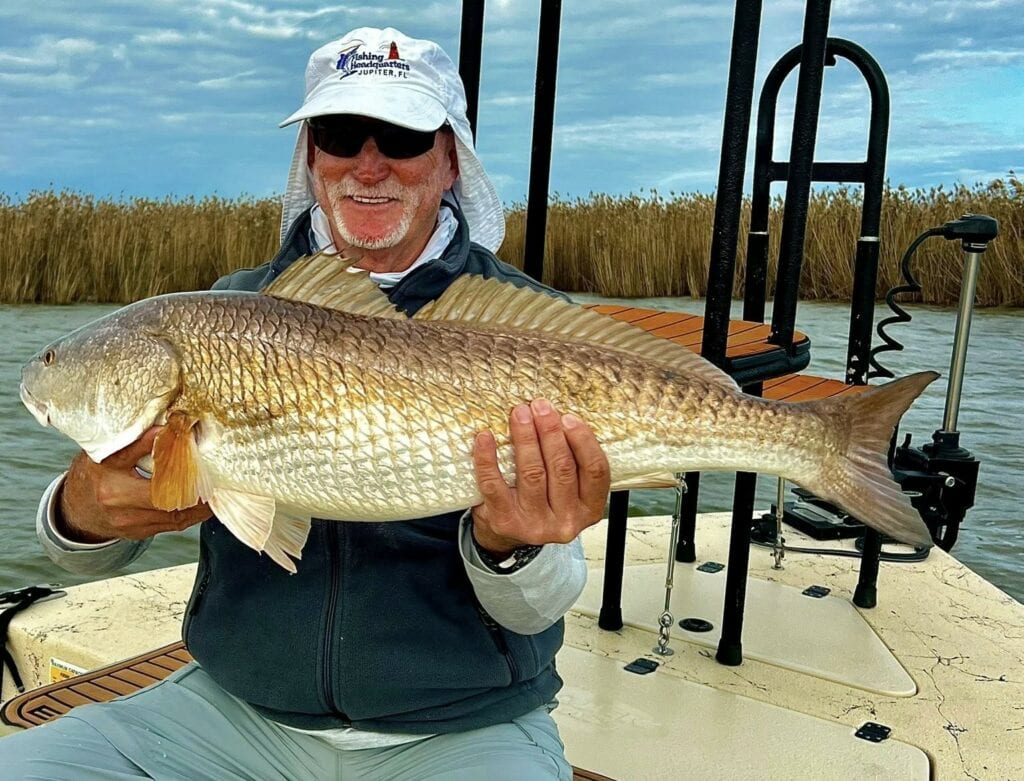
Ready to experience the best of both worlds? Visit whiskeybayoucharters.com to book your late January or February charter. Whether you're a serious angler looking to understand transitional fish patterns or a visitor wanting to add authentic fishing to your Mardi Gras trip, Whiskey Bayou Charters will put you on fish and help you experience Louisiana the right way.
The marsh is calling. The city is celebrating. Let's make it happen.
Captain Joe Ezell is a USCG licensed captain operating Whiskey Bayou Charters out of Delacroix, Louisiana. He specializes in inshore fishing for redfish and speckled trout in the marshes and bays of Southeast Louisiana, with particular expertise in reading seasonal transitions and fish behavior patterns.