
February brings thoughts of romance, chocolates, and candlelit dinners. But beneath the surface of Louisiana's coastal waters, a different kind of love story plays out year-round. The redfish, speckled trout, black drum, and sheepshead that anglers pursue have their own fascinating courtship rituals, spawning seasons, and mating behaviors that would make any Valentine's Day romance novelist take notes.
Understanding these underwater love affairs offers more than just interesting conversation for the boat ride. The spawning habits of these four species influence when and where they're found, how they behave, and ultimately, how successful anglers will be when targeting them. It's biology meets fishing strategy, with a healthy dose of conservation awareness mixed in.
Why Understanding Fish Romance Matters
Before diving into the love lives of Louisiana's most popular gamefish, it's worth understanding why these spawning habits matter. When fish are spawning, their behavior changes dramatically. They concentrate in specific areas, become more predictable, and sometimes even easier to catch. Understanding these patterns helps anglers fish more successfully while making informed conservation decisions about when to keep fish and when to release them.
Redfish: The Drummers of August
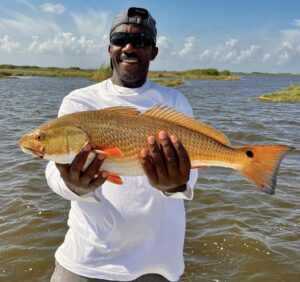 Redfish earn their alternate name "red drum" from the drumming sound males make during spawning season. They vibrate specialized muscles against their swim bladder, creating sounds that travel through the water to attract females. It's underwater serenading, Louisiana style.
In Louisiana's waters, the main event happens from mid-August through October. As summer stretches into fall, mature redfish (typically four years or older) stage near passes and along beaches, preparing for their offshore spawning runs.
Unlike the other species in this comparison, redfish leave the marsh for their romantic encounters. Bulls head to nearshore Gulf waters where salinity is higher and conditions are right for egg development. This offshore migration explains why fall brings such excellent fishing for large redfish near passes and barrier islands. They're gathering for the spawn, feeding heavily to fuel the energy-intensive reproduction process.
The drumming courtship ritual intensifies as spawning begins, usually around dusk. Males vibrate those special muscles rapidly, creating a chorus that can sometimes be heard above the water's surface when concentrations are high. Females respond to the most vigorous drummers, selecting mates based on the strength and persistence of their calls.
From a fishing perspective, this fall spawning run creates one of Louisiana's most exciting fishing opportunities. The bull redfish that anglers dream about catching are often staging for or actively involved in spawning during peak fall months. These fish feed aggressively before and after spawning events, making them prime targets for anglers who know where to look.
Speckled Trout: The Marathon Spawners
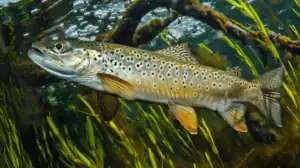 If redfish are the drummers of the spawning world, speckled trout are the marathon runners. These spotted beauties have one of the longest spawning seasons of any inshore gamefish in Louisiana, stretching from April through September. That's right, nearly half the year.
The peak spawning activity occurs in May and again in August, when water temperatures hit the sweet spot between 70 and 80 degrees Fahrenheit. Unlike redfish, speckled trout don't venture far from their home waters to spawn. They typically move to deeper channels, passes, or areas with slightly higher salinity within the estuary system.
Speckled trout courtship includes subtle croaking sounds males produce to attract females, though these sounds are less pronounced than the drumming of reds or black drum. The actual spawning often occurs around sunset or during nighttime hours, with fish releasing eggs and sperm simultaneously into the water column.
What makes speckled trout particularly prolific is their spawning frequency. A healthy female might spawn every four to five days throughout the season, releasing hundreds of thousands of eggs each time. This reproductive strategy, high volume over an extended period, helps ensure that at least some offspring survive to adulthood despite the many predators and environmental challenges they face.
For anglers, the extended spawning season of speckled trout means that fishing patterns change gradually rather than dramatically. During peak spawning months, trout might be found concentrated around passes and channels more consistently than during other times of the year.
Black Drum: The Winter Lovers
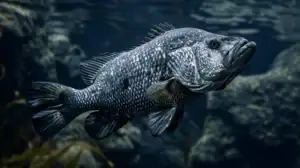 While most people associate February with Valentine's Day, black drum are just getting their romance started. These powerful fish spawn from January through April in Louisiana waters, with peak activity occurring in February and March. Talk about timing with the season of love.
Black drum spawn offshore, typically in the Gulf of Mexico or in deeper bay waters with higher salinity. Like their redfish cousins, male black drum are accomplished drummers, using the same muscle-against-swim-bladder technique to produce deep, resonant sounds. During peak spawning, schools of black drum create such a racket that it can be detected with underwater microphones from considerable distances.
The courtship gatherings can be spectacular. Black drum congregate in large schools, sometimes numbering in the hundreds or even thousands of fish.
Black drum take the prize for Louisiana's most productive spawners. A single mature female can produce between 11 million and 60 million eggs per year, spawning 20 to 30 times during a single season. When it comes to quantity, these fish go all in.
The eggs are released into the water column where fertilization occurs externally. They drift with currents until hatching, which occurs within about 24 hours. The larval fish eventually make their way into estuaries where they'll spend their juvenile years.
From a fishing perspective, black drum provide excellent winter action when other species might be less active. Their February and March spawning concentrations create opportunities for anglers to target these powerful fighters during a time of year when Louisiana's comfortable weather makes fishing far more pleasant than in northern states.
Sheepshead: The Spring Congregators
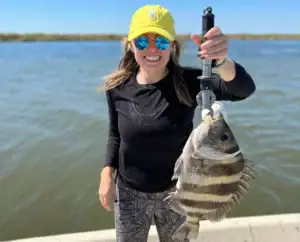 Sheepshead, those striped convicts of the inshore waters, add another romantic chapter to February's underwater love stories. While black drum are in full spawning mode during February, sheepshead are just beginning their courtship journey. These fascinating fish with their human-like teeth spawn from February through April, with peak spawning activity typically occurring in March and April.
What makes sheepshead spawning particularly interesting is their migration pattern. Prior to spawning, adult sheepshead gather in large numbers around deep water structures. They then migrate offshore to spawn in nearshore Gulf waters, similar to redfish behavior. However, there's a fascinating twist: females that travel further offshore tend to produce significantly more eggs than those staying closer to shore, releasing anywhere from 14,000 to 250,000 eggs per spawning event.
The spawning aggregations create one of the best fishing opportunities of the year for sheepshead anglers. During late winter and early spring, these typically scattered fish concentrate in predictable locations. They feed aggressively before spawning, building the energy reserves needed for reproduction. This makes them less cautious and more willing to bite than during other times of the year.
After spawning, sheepshead disperse throughout the estuary system, moving into rivers, creeks, canals, and around structures like docks and pilings. The post-spawn period sees them actively feeding to recover from the energy-intensive spawning process, creating another excellent fishing window.
Captain Joe Ezell and the team at Whiskey Bayou Charters understand these seasonal patterns. February and March offer prime opportunities to target sheepshead around structures where they concentrate before their offshore spawning runs, making these months ideal for anglers looking to add this challenging species to their catch.
Comparing the Love Styles
Looking at these four species side by side reveals fascinating differences in their approaches to reproduction. Redfish are the selective offshore spawners, traveling to specific areas and timing their spawning to late summer and fall. Speckled trout are the marathon spawners, staying close to home but spawning repeatedly over nearly half the year. Black drum are the winter gregarious spawners, gathering in massive schools for their cold-weather courtship. Sheepshead combine strategies, congregating before heading offshore in early spring.
These different strategies reflect adaptations to different ecological niches and survival pressures. For anglers, these different patterns create year-round fishing opportunities. As one species moves into spawning mode, another species hits its peak feeding period. Understanding this calendar of romance helps anglers target the right species at the right time.
Conservation and Catch Decisions
 Understanding when these species spawn helps anglers make better conservation decisions. During spawning season, fish concentrate in predictable areas and feed aggressively, making them vulnerable to overfishing. Louisiana's fishing regulations reflect this by protecting larger redfish (over 27 inches must be released) and limiting daily bag limits on all four species.
Anglers targeting these species during spawning runs should consider the role each fish plays in maintaining healthy populations. Releasing large, mature specimens, especially during peak spawning times, ensures strong year classes and excellent fishing for years to come.
Planning Your Fishing Around the Romance
The spawning cycles of these four species create a fishing calendar that offers different opportunities throughout the year. Winter and early spring bring black drum and sheepshead concentrations. Spring sees speckled trout beginning their marathon spawning season. Summer continues the trout spawn while preparing for the fall redfish run, and autumn brings those spectacular bull redfish gatherings.
Captain Joe Ezell and the Whiskey Bayou Charters team stay current with these seasonal patterns, adjusting tactics and target areas based on where fish are in their annual cycles. This knowledge, combined with years of experience fishing the Delacroix marshes and surrounding waters, helps clients connect with fish consistently regardless of the time of year.
This Valentine's Day, Appreciate the Romance Below
This February, while celebrating Valentine's Day with loved ones, spare a thought for the black drum and sheepshead currently gathering offshore for their annual spawning. These fish and their cousins, the redfish and speckled trout, engage in courtship rituals that are every bit as fascinating as any romance novel.
More importantly, understanding these patterns makes for better fishing and better conservation. Knowing when and where fish spawn helps anglers target them effectively while making informed decisions about which fish to keep and which to release. It's knowledge that benefits everyone who loves Louisiana's incredible inshore fishery.
Whether targeting black drum and sheepshead during their winter and spring spawn, speckled trout during their marathon season, or bull redfish during their fall concentrations, Whiskey Bayou Charters offers guided trips that put anglers in the right place at the right time. The team's understanding of fish behavior, including spawning patterns, contributes to the high success rates that keep clients coming back year after year.
Ready to experience Louisiana fishing during one of these exciting spawning periods? Contact Whiskey Bayou Charters at 504-265-3405 to book your trip. Whether it's a romantic Valentine's Day fishing date for two or a group trip to target spawning concentrations, the team is ready to create an unforgettable experience on the water.
After all, when it comes to love stories, the ones happening beneath Louisiana's waters might just be the most fascinating of all. And the best part? You can be there to witness them, one cast at a time.