
Beyond the fishing itself, March offers practical advantages that make it an ideal time to visit Louisiana. Hotel and lodging rates in New Orleans and surrounding areas drop significantly after Mardi Gras. The same properties that commanded premium rates during Carnival season suddenly have availability at normal prices. Anglers can often find excellent deals on accommodations, sometimes 30 to 50 percent less than peak Mardi Gras rates.
Restaurants throughout the region also return to normal operations. During Mardi Gras, many establishments have special hours, limited menus, or require reservations weeks in advance. By mid-March, everything is back to standard service, making it easy to enjoy Louisiana's incredible cuisine without the hassle and expense of peak season. The roads and waterways are also less crowded, meaning more charter availability and a generally more relaxed experience on the water.
New Orleans itself remains accessible and enjoyable but without the overwhelming crowds of Carnival season. Anglers combining fishing with a New Orleans visit can explore the French Quarter, visit world-class restaurants, and experience the city's unique culture without fighting through massive crowds or dealing with street closures.# The Best Mardi Gras Hangover Cure: Get Back on the Water
The beads have been thrown, the king cake is gone, and the last parade float rolled down St. Charles Avenue days ago. Mardi Gras 2026 is officially in the books, and if you're like most people who celebrated in New Orleans, you're probably wondering how to recover from the most intense party week of the year. Sure, you could spend the next few days on the couch. Or you could try the Louisiana cure that actually works: getting back on the water.
March fishing in Delacroix offers the perfect remedy for post-Mardi Gras exhaustion. Fresh air, sunshine, aggressive fish, and the peaceful rhythm of casting provide exactly what the body and mind need after days of crowds and late nights on Bourbon Street. But this isn't just about recovering from overindulgence. March represents one of the genuinely best fishing months of the entire year in Louisiana, a fact that has nothing to do with hangovers and everything to do with biology, weather, and timing.
Why March Weather Creates Perfect Fishing Conditions
While the Mardi Gras hangover hook might be playful, the fishing advantages of March are completely serious. This month occupies a sweet spot in Louisiana's calendar that anglers who understand seasonal patterns eagerly anticipate.
Air temperatures in March typically range from the mid-60s in early morning to the mid-70s by afternoon. These comfortable conditions mean anglers can fish all day without battling summer heat or layering up against winter chills. It's jacket-in-the-morning, t-shirt-by-noon weather that makes eight hours on the water feel effortless.
More importantly, water temperatures begin their steady climb from the low 60s toward the upper 60s as the month progresses. According to NOAA's estuarine research, this seemingly small change triggers massive shifts in fish behavior. Water temperature directly affects fish metabolism. As temperatures rise into the 60s, fish become more active, feed more aggressively, and move more frequently.
March also brings more stable weather patterns than the unpredictable transitions of late winter. Cold fronts still pass through Louisiana, but they're less severe and less frequent than in January and February. This stability allows fish to establish predictable patterns rather than constantly adjusting to dramatic temperature swings.
The days are getting noticeably longer too, with sunrise coming earlier and sunset pushing later. More daylight means more fishing time, and the angle of March sun creates excellent conditions for sight fishing. The low morning and late afternoon light makes it easier to spot tailing redfish, cruising trout, and the subtle movements that give away fish locations in shallow water.
The Science of Spring Transition Fishing
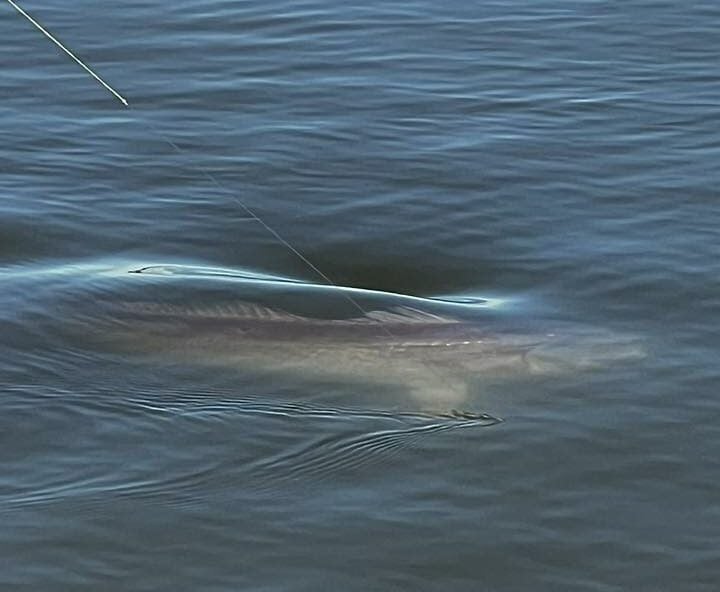
Understanding what happens beneath the surface in March transforms how anglers approach the water. This month represents the true beginning of spring transition, when Louisiana's marshes wake up from winter's relative dormancy.
As water temperatures climb into the mid to upper 60s, baitfish that have been relatively inactive begin moving in larger schools. Shrimp start their migrations from deeper winter areas back toward the marshes. This bait activity triggers gamefish to feed more heavily. Their metabolisms increase with water temperature, demanding more calories. At the same time, many species are preparing for spawning season, building the energy reserves they'll need for reproduction.
Tidal movement plays an even more crucial role in March than during other months. As fish become more active, they follow tides more predictably, moving into shallower areas on rising water to feed and retreating to deeper channels as water levels drop. Understanding these tidal patterns and timing trips accordingly can mean the difference between moderate success and exceptional fishing.
Sheepshead: March's Peak Aggregation
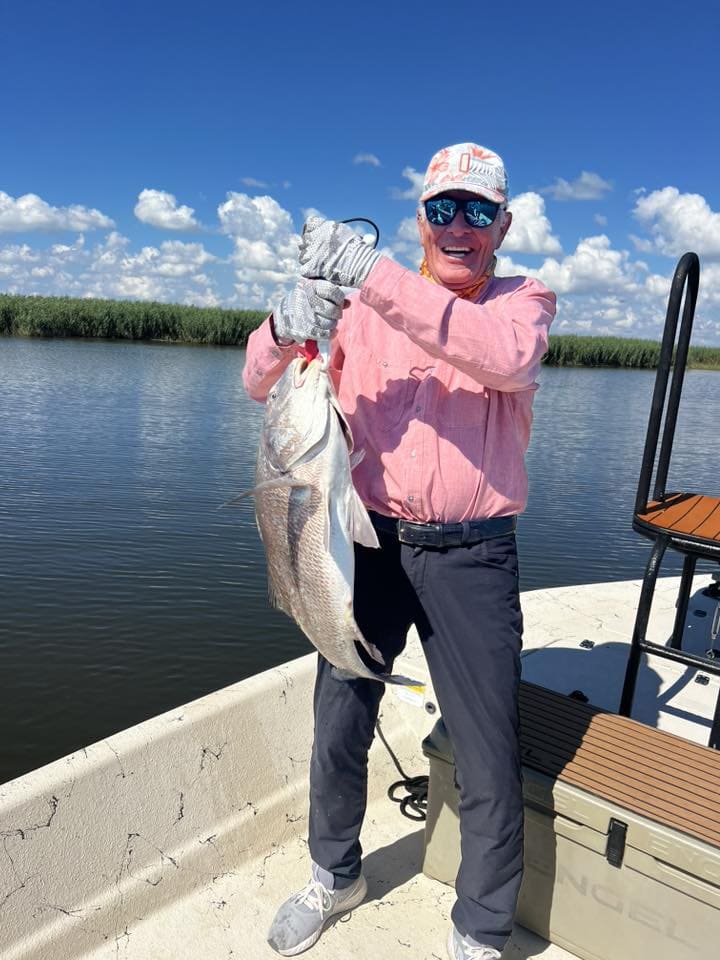
If there's one species that defines March fishing in Louisiana, it's sheepshead. These striped convicts of the inshore waters reach their peak concentrations during March and early April, creating some of the year's most consistent action.
As discussed in our previous post about spawning habits, sheepshead gather in large numbers around structures before migrating offshore to spawn. March represents the peak of these pre-spawn aggregations. Hundreds of fish might concentrate around a single dock, bridge, or oyster bed, feeding heavily to build energy reserves.
What makes sheepshead so appealing isn't just their numbers but their size during March. The big females, some weighing 8 to 12 pounds, move in from deeper water. These trophy-sized fish provide arm-burning fights on light tackle and excellent table fare.
Finding sheepshead in March requires looking for structure. Docks, bridge pilings, and oyster beds all attract these fish. They're feeding primarily on barnacles, crabs, and other crustaceans that cling to hard surfaces. The Louisiana Department of Wildlife and Fisheries provides regulations and additional information about sheepshead seasons and limits.
The technique remains fairly consistent: small hooks (size 1 or 2), light line, and fresh fiddler crabs or live shrimp. Sheepshead have a notorious light bite, often just mouthing the bait before committing. This requires concentration and quick reflexes.
Captain Joe Ezell and the team at Whiskey Bayou Charters time many of their March trips specifically for these sheepshead aggregations. The combination of steady action, trophy potential, and excellent eating makes sheepshead a favorite target for both experienced anglers and families looking for consistent catching.
Speckled Trout Coming Alive
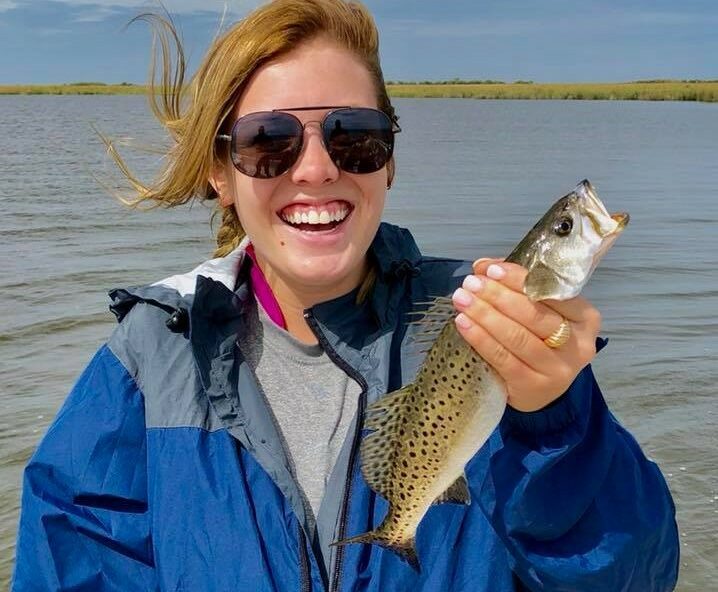
While sheepshead steal some of the spotlight in March, speckled trout provide equally exciting opportunities as they transition from winter patterns to spring feeding behavior. These spotted beauties become noticeably more active as water temperatures climb toward 65 degrees and beyond.
In early March, speckled trout might still be holding in slightly deeper channels. But as the month advances and temperatures rise, they begin moving into shallower areas with more structure. Points, drop-offs near grass flats, and oyster beds all become prime trout habitat.
The trout bite in March benefits from perfect timing. These fish haven't yet begun their spawning season (which starts in April), but they're feeding heavily in preparation. This pre-spawn feeding creates aggressive behavior without the complications of actively spawning fish.
Techniques for March trout vary based on conditions. Live shrimp under popping corks remain deadly, particularly around structure. Soft plastic baits on light jig heads allow anglers to cover more water and work different depths until they locate active fish. Topwater lures become increasingly effective as the month progresses and water temperatures rise, providing some of the most exciting strikes in all of fishing. Salt Strong offers excellent additional tactics for targeting speckled trout in various conditions.
One of the advantages of March trout fishing is the quality of fish available. While anglers can catch trout year-round in Louisiana, March often produces a good mix of keeper-sized fish along with some true trophies pushing 25 inches or more. These "gator trout" provide memorable fights and excellent photo opportunities for catch-and-release anglers.
Redfish and Multi-Species Opportunities
While some species like sheepshead and speckled trout have distinct March patterns, redfish provide steady, reliable action throughout the month. These bronze bruisers remain active, offering opportunities in both shallow and deeper water depending on conditions.
Early March might still see redfish holding in deeper bayous and channels. But as temperatures rise and baitfish become more active, reds increasingly move onto grass flats and into marsh areas where they can feed in shallow water.
The sight fishing for redfish that many anglers dream about becomes increasingly viable as March progresses. On calm, sunny days with good water clarity, watching a redfish tail in shallow water and making the perfect cast provides one of fishing's purest thrills.
One of March's greatest advantages is the variety of species available. A typical March charter with Whiskey Bayou Charters might target sheepshead around structures in the morning, switch to speckled trout in channels during midday, and finish sight-fishing for redfish on shallow flats. This variety keeps the day interesting and increases the chances that every angler catches fish. For more information on Louisiana's inshore species and regulations, visit the Coastal Conservation Association Louisiana website.
Making the Most of March
March fishing in Louisiana isn't about gimmicks or clever marketing hooks. The Mardi Gras hangover cure angle might make for an entertaining title, but the substance comes from genuine advantages that make this month special for anglers.
The weather provides comfort without extreme temperatures. Water temperatures trigger biological changes that make fish more active. Species like sheepshead reach peak concentrations while speckled trout transition into spring patterns. Redfish provide steady action across various habitats. And the practical benefits of post-Mardi Gras timing make trips more affordable and enjoyable.
For anglers seeking additional resources on Louisiana coastal fishing, Louisiana Sportsman provides excellent reports, tide tables, and local fishing insights year-round.
Ready to experience the best actual cure for whatever ails you? Contact Whiskey Bayou Charters at 504-265-3405 to book your March fishing adventure. Whether you're recovering from Mardi Gras, escaping late winter weather up north, or simply looking to experience Louisiana fishing at one of its peak times, the team is ready to create an unforgettable day on the water.