The marsh is quiet, the water is flat, and there’s that window of maybe twenty minutes before the sun clears the tree line and everything changes. You’ve got your rod out, the bait is in the water. It’s the first cast of the morning; that’s the moment I think about when people ask me why I do this. That’s hard to put a price on.
I’ve been running charters out of Saint Bernard Parish since 2015. I know these waters like the back of my hands; the ponds, the bayous, the points where the redfish stack in the fall, the grass lines that hold speckled trout when everyone else is coming up empty. Most people who find me are planning a trip to New Orleans and want to go fishing, but they don’t know where to start. This guide answers every question I get before someone books a trip. By the end of it you’ll know exactly what to expect.
What We Fish For
The Delacroix marsh in St. Bernard Parish is one of the most productive pieces of inshore water on the Gulf Coast. Brackish, tidal, fed by the Gulf and threaded through with bayous, ponds, and marsh pockets; the kind of ecosystem that holds fish year-round. Here’s what we’re after most days.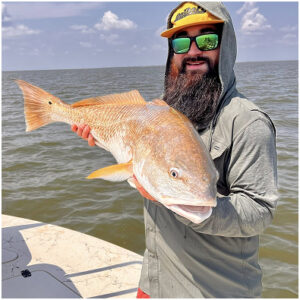
Redfish
Redfish are the backbone of what I do. They live in this marsh in numbers, they fight hard, and they’ll eat when other species won’t. When these fish are within legal size they are known as Slot fish, and are typically 16 to 27 inches. This is what most anglers are targeting, and we find them in shallow ponds and along the marsh edges. Redfish are also one of the best eating fish in this marsh. Their firm white meat hold up well on the grill or in a cast iron. Most people who come out here for the first time end up wanting to come back specifically for the redfish.
Speckled Trout
Speckled trout are the other constant in this marsh. They’re a little more finicky than redfish, water clarity and presentation matters, but when the conditions line up, you can have some of the best light-tackle fishing of your life. Spring and fall are prime, and the early morning bite on topwater is something I never get tired of watching.
Flounder
Flounders are a bonus most of the time, but a welcomed one. They sit on the bottom and ambush bait near structures like dock edges, oyster reefs, the transitions between hard bottom and soft. Any day catching a flounder is a good day.
Sheepshead
These fish show up around structures such as pilings, old dock debris, the shell reefs scattered through the marsh. Sheepshead in particular put up a better fight than people expect. They’re also excellent eating. Black Drum show up in these locations too with similar habits to sheepshead.
Bull Reds
In the fall, the Bull Reds show up in numbers: fish pushing 30, 40, sometimes 50 inches that congregate in the bays and pass before their spawn. If you’ve never tangled with these fish on light tackle, put it on your list.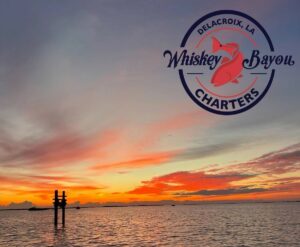
How a Charter Day Works
We’ll launch out of my slip in Saint Bernard Parish, about 45 minutes from downtown New Orleans. Most trips start between 6:00 and 6:30 in the morning; not because I enjoy waking up early, but because that’s when the fishing is best. The marsh in the first two hours of light is a different place than the marsh at noon.
When you arrive, I’ll have everything you need. Rods, bait in the livewell, ice in the cooler. We’ll talk briefly about what you’re hoping to catch and what the conditions look like that morning, then we’re running. Travel time to the first spot is usually 15 to 30 minutes depending on where the fish have been.
On the water, I’m moving when I need to move. I’m not the kind of guide who anchors up in one spot and hopes. If the fish aren’t there, we go find them. You’ll fish hard, we’ll cover water, and at the end of the day I’ll clean your catch and get it ready for the cooler. Our full day of fishing ends when we limit, you are tired of catching, or we have been on the water for 6-7 hours.
Who We Fish With
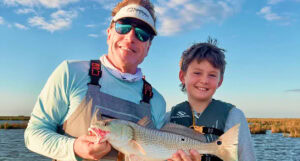
My passion for fishing goes back to my childhood years, though after many years in the cooperate world, I realized I was fueled through sharing the outdoors with others. In 2012 I began a mentorship period with Captain Chad Dufrene of Dufrene’s Guide Service, and in 2015, my better half Brenda Mayo and I bought property in Delacroix, LA; the rest is history!
I’ve put first-timers on fish who’d never held a rod before. I’ve fished with tournament anglers who just wanted to try somewhere new. Both trips can go great, the difference is in how I approach them.
First-timers and casual anglers: I’ll teach you everything you need to know. How to cast, how to feel a bite, when to set the hook. Don’t overthink it. Most people are surprised by how quickly it clicks.
Kids: Yes. If they’re old enough to hold a rod, I’ll figure out how to get them some fish. Some of my favorite days on the water have been with a ten-year-old who’s never caught anything before.
Experienced anglers: If you know what you’re doing, I’ll get out of your way. Tell me what you want to target and how you want to fish it. I can put you on redfish on topwater, sight-cast for tailing fish in the shallows, or set you up on structure for whatever’s holding there. The marsh accommodates.
Groups: I run up to four anglers comfortably on my boat. Larger groups can be arranged, just reach out and we’ll figure out the logistics.
Where We Launch
We launch from Saint Bernard Parish, about 45 minutes southeast of downtown New Orleans. The address is 626 Florissant Hwy, Saint Bernard, Louisiana 70085. I’ll send you specific directions when you book, the last stretch of road is easy once you know where you’re going. Plenty of parking at the launch.
This location puts us in the heart of the Delacroix marsh, which means we’re on productive water fast. No burning 45 minutes of your trip getting to the fish.
Charter Options
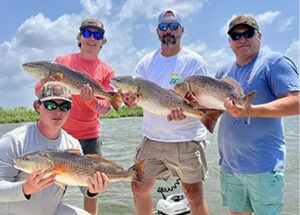
I run three types of trips. Inshore fishing charters are the most popular, targeting redfish, speckled trout, flounder, or whatever’s biting that day. We’ll book a full-day trip, for one to four anglers; this trip is perfect for anglers of all experience levels.
Fly fishing is a two-angler trip designed for those who want to sight-cast on the flats with a fly rod — one of the most technical and satisfying ways to fish this marsh. These trips are for one to two people, and we will only use artificial bait on these trips.
Bull redfish trips are seasonal, taking place at the end of July through beginning of September, and a second season from October through December. During these times, the big fish are schooled up in the bays. These trips are a minimum of two days, and can include up to three people, reach out if you have more anglers wanting to join the fun. If you’ve never seen a 40-inch redfish eat a topwater plug, that’s the trip.
Current pricing and availability are on the charter pricing page. All trips include rods, reel, bait, tackle, ice, and fish cleaning at the end of the day.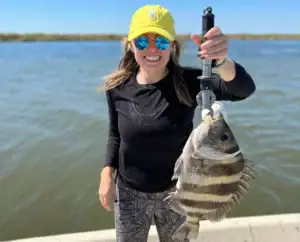
What to Bring
While we’re out on the water, there are a few necessities to bring: sunscreen, sunglasses, a hat, and layered clothing for early mornings. You’ll want to wear closed-toe shoes that can get wet, and pack your own water and food – I don’t provide meals. A cooler to take your fish home in is vital as well. For the full checklist is on the what to bring page. Read it before you come, the anglers who show up prepared have a better day.
When to Come
The honest answer is that there’s no bad month to fish this marsh, but there are better months for specific things. Spring, March through May, is one of the best windows of the year. The specks are schooled up, the redfish are active, and the weather is cooperating. Summer fishing can be excellent in the early hours before the heat sets in. Fall is when the bull reds show up, and October through December can be some of the most productive fishing of the year. Winter has its moments, especially on warmer days.
Frequently Asked Questions
How many people can fish on one charter?
Different trips have different restrictions, but for your typical inshore fishing charter we can fit up to four anglers comfortably on my boat. If you have a larger group, reach out and we’ll talk about coordinating additional boats.
What if the weather is bad?
Light rain doesn’t cancel a trip. Thunder, lightning, or anything jeopardizing safety do. If I cancel due to weather, you’ll get a refund of your deposit or we’ll reschedule.
Is this trip good for beginners?
Yes. I’ve been teaching people to fish for over a decade. If you’ve never held a rod, I’ll get you there. The marsh is forgiving, you don’t need a perfect cast to catch fish here.
Do you clean the fish?
Yes. Fish cleaning is included at the end of every trip. Bring a cooler and ice and you’ll leave with fillets ready for the pan.
How far in advance should I book?
Spring and fall book up fast, especially weekends. If you have a specific date in mind, don’t wait. I’d rather tell you I’m available than tell you I’m full.
What species am I most likely to catch?
Redfish are the most consistent bite year-round in this marsh. Speckled trout are close behind, especially in spring and fall. Flounder, sheepshead, and black drum show up regularly as bonuses. I’ll target whatever is biting best on your day.
Can we keep the fish?
Yes, within Louisiana’s legal limits. I’ll handle all of that, you focus on fishing, I’ll keep track of the count and size. Catch-and-release is always an option if you’d prefer it.
Summary
New Orleans fishing charters out of Saint Bernard Parish put you on some of the most productive inshore water on the Gulf Coast, only 45 minutes from downtown in the Delacroix marsh, targeting redfish, speckled trout, flounder, and more. I run full-day inshore trips, fly fishing charters for redfish, and seasonal bull red trips. Everything is included: rods, reels, bait, tackle, ice, and fish cleaning. I fish with first-timers, experienced anglers, couples, families, and groups. The marsh is fishable year-round, with spring and fall offering the strongest overall conditions. If you’re planning a trip to New Orleans and want to spend a day on the water with a guide who knows this marsh, I’d be glad to take you. If you’re ready to book, give me a call or send me a message and we’ll get a date on the calendar. Tell me when you’re coming, how many people are in your group, and what you’re hoping to catch. I’ll take it from there.